

- Home
- Destination
- Croatia
Croatia
Best of the Adriatic
12 Days | From $4349
Croatia | SloveniaTop destinations to visit in Croatia
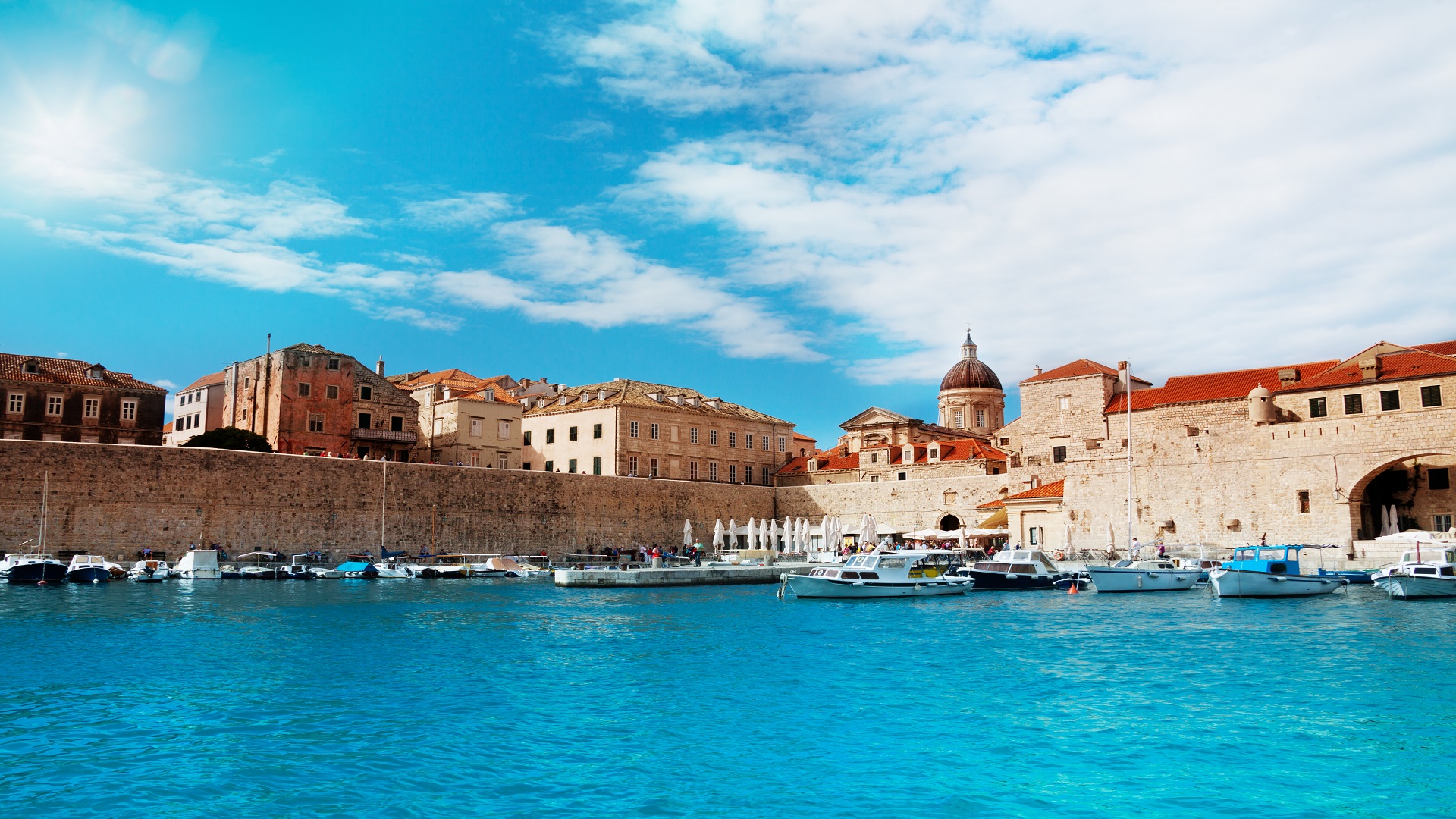
1. Dubrovnik: Referred to as the "Pearl of the Adriatic," Dubrovnik stands as a UNESCO World Heritage Site and a destination not to be missed. Its medieval city walls, baroque architecture, and enchanting surroundings make it a captivating place to explore.
2. Split: Renowned for the UNESCO-listed Diocletian's Palace, an impressive ancient Roman monument, Split offers a captivating blend of historical heritage and vibrant modern life.
3. Hvar: Situated in the Adriatic Sea, Hvar is celebrated for its pristine beaches, lavender fields, and lively nightlife, making it a popular island destination. Stroll through its charming streets and immerse yourself in the energetic atmosphere.
4. Pula: Home to the well-preserved Roman amphitheater, the Pula Arena, which hosts various events and concerts, Pula is steeped in rich history. Its stunning coastline and proximity to Brijuni National Park add to its allure as a fascinating place to visit.
5. Rovinj: Nestled along the Istrian coast, Rovinj boasts narrow cobbled streets, colorful houses, and a picturesque harbor. With its artistic ambiance, delectable seafood, and breathtaking views, it's a delightful destination for travelers.
6. Zadar: Famous for its unique Sea Organ and Sun Salutation installations, offering an incredible experience powered by nature, Zadar also boasts historical sites and beautiful beaches to explore.
7. Korcula: Known for its medieval architecture and considered the alleged birthplace of Marco Polo, Korcula is an enchanting island that enthralls visitors with its rich history and picturesque vineyards.
8. Trogir: As a UNESCO World Heritage Site, Trogir enchants visitors with its charming medieval town, well-preserved architecture, narrow streets, and stunning cathedral, all contributing to its timeless allure.
Best time to visit Croatia
The prime periods to explore Croatia are during May and June or September and October, offering pleasant and sunny weather, perfect for swimming and sunbathing. These months boast a lesser crowd compared to the peak summer season of July and August, which can be scorching hot, especially in the afternoons. Opting for the shoulder seasons ensures a more comfortable and enjoyable experience with fewer tourists and a more relaxed atmosphere.
Experiences you should not miss in Croatia
1. Visit Plitvice Lakes National Park
Plitvice Lakes National Park, Croatia's most sought-after inland attraction, encompasses steep forested hillsides, encircling 16 mesmerizing emerald-blue lakes connected by a series of thundering waterfalls. This remarkable park, the country's first national park, is crisscrossed by a network of footpaths and wooden bridges, and the entrance ticket even includes boat rides across the enchanting lakes. The area is home to owls, eagles, and falcons, adding to the natural splendor.
For those seeking an extended experience, several hotels are conveniently located on the park's edge, offering an opportunity to stay the night surrounded by this breathtaking landscape. For organized sightseeing, you can join bus tours from Zagreb and Zadar.
If you plan to visit Plitvice without a guide or tour, it's crucial to reserve your tickets in advance.
2. Explore Hvar
Hvar Island is renowned for its vibrant yacht parties and fields of lavender painting the landscape in rich purple hues. Hvar Town, nestled in a picturesque natural bay, enjoys protection from the Pakleni island chain to the south.
Take a refreshing swim in the crystal-clear waters or rent a boat to explore more of Hvar Town's stunning beachfront. When hunger strikes, savor the local cuisine, including signature dishes like gregada, a delectable stew made with olive oil, fish, onions, garlic, and potatoes.
Beyond the beaches, there's a myriad of activities in Hvar Town. Immerse yourself in history at the Stari Grad Museum, which sheds light on Croatia's first civilization. Venture to the Pakleni Islands for swimming, snorkeling, and sailing amidst hidden coves. Wander through the fragrant lavender fields to experience the rejuvenating scents unique to the region.
Join the locals and fellow tourists in the heart of Hvar Town, Saint Stephen's Square, affectionately known as Pjaca. This vibrant social hub boasts breathtaking historical architecture, including the Cathedral of St. Stephen, as well as cozy cafes and charming local businesses. Croatia tours offer an unforgettable journey through the enchanting delights of Hvar Island.
3. Discover Diocletian Palace
Split, Croatia's second-largest city after Zagreb, originated within the ancient Roman walls of the colossal Diocletian Palace (Dioklecijanova palaca). This magnificent structure, overlooking the Adriatic Sea, was constructed by Roman Emperor Diocletian, who retired here in AD 305. Designed in a square plan, the palace boasts a fortress-like appearance, even housing the Emperor's personal garrison. Its four monumental gates include three accessible from the land and one that once opened directly onto the water. Within these walls lies the splendid Peristyle, an arcaded courtyard, where the elegant bell tower of the Cathedral of St. Domnius can also be found.
At night, the illuminated ruins offer a captivating experience, while during the day, the palace hosts concerts and entertainment. The Old Town, designated as a UNESCO World Heritage Site, forms a pedestrian-only zone. For easy access to the palace, walk through the city's southern gate, situated right in front of St. Dominic Church. A visit in the early hours of the day is recommended to avoid overwhelming crowds. If you visit before June, you may enjoy a quieter experience, as the place is relatively less crowded during this time.
4. Spend time at Krka National Park
Krka National Park, renowned for Skradinski Buk, a series of seven waterfalls, offers an array of waterfalls, historic sites, and breathtaking landscapes.
As one of Croatia's most beloved national parks, Krka National Park never fails to impress with its picturesque views that inspire awe. Many visitors flock to witness the impressive network of 17 waterfalls cascading into pools of emerald water, while others cherish leisurely strolls through the park's scenic trails, immersing themselves in the refreshing embrace of nature.
Within the park, the ethno village invites guests to delve into local history and culture, showcasing water mills dating back to the 17th and 18th centuries. Engaging demonstrations of wheat milling into flour, fabric weaving, blacksmithing, and more, further enhance the immersive experience at Krka National Park.
5. See the medieval walls of Dubrovnik
On your Croatia vacation, make sure to visit the Walls of Dubrovnik, an impressive line of defensive stone walls encircling the city of Dubrovnik in southern Croatia, along the seashore.
These sturdy walls earned Dubrovnik the nickname "Pearl of the Adriatic" for their remarkable ability to shield the city from attacks. Dating back to the Middle Ages, the Walls of Dubrovnik have stood the test of time and have witnessed significant historical events, including a 15-month siege in the 9th century.
Today, the Walls of Dubrovnik have become a major tourist attraction and a famous filming location for blockbuster movies and shows like Game of Thrones. Many travelers are drawn to climb and walk the walls, a journey that takes approximately one to two hours, to revel in the breathtaking panoramic views of the sea and the city of Dubrovnik from above.
Things to know before traveling to Croatia
1. Visa Requirements: Depending on your nationality, you may need a visa to enter Croatia. Some countries have visa-free entry for short stays, while others require a visa.
2. Currency: The official currency in Croatia is the Croatian Kuna (HRK). While some tourist areas accept euros, it's advisable to have the local currency for most transactions.
3. Language: Croatian is the official language, but English is widely spoken in tourist areas. Learning a few basic Croatian phrases can enhance your experience.
4. Weather: Croatia experiences distinct seasons. Summers (June to August) can be hot and crowded, while winters (December to February) are milder, especially along the coast. Spring and fall offer pleasant weather and fewer crowds.
5. Local Customs: Familiarize yourself with local customs and traditions. In Croatia, a handshake is a common greeting, and using titles to address people is considered polite.
6. Safety: Croatia is generally safe for travelers. However, exercise normal precautions, such as keeping an eye on your belongings and avoiding poorly lit areas at night.
7. Tipping: Tipping is not obligatory in Croatia, but it's appreciated for good service. In restaurants, rounding up the bill or leaving a 10% tip is customary.
8. Transportation: Croatia has an efficient transportation system, with buses, ferries, and trains connecting various regions. Renting a car is a convenient option for exploring the country's diverse landscapes.
Why choose Acqua?
Acqua offers access to local expertise through carefully selected tour operators who possess excellent language skills, destination knowledge, and buying power. Customize your trip to Bhutan by choosing accommodation, transportation, activities, and pace. Directly booking with local operators ensures cost efficiency and supports local economies. Acqua partners with established operators for favorable rates, providing peace of mind with guarantees and insurance coverage. By choosing Acqua, you support responsible travel and contribute to community projects.
Tour Reviews