

- Home
- Destination
- Jordan
Jordan
Top destinations to visit in Jordan
1. Amman: The vibrant capital city of Jordan, blending ancient ruins and modern life, offering a glimpse into the country's history and contemporary culture.
2. Zarqa: Known for its industrial importance, Zarqa is Jordan's second-largest city, offering a mix of urban and historical attractions.
3. Irbid: A lively university city with a rich history, featuring archaeological sites and a bustling market.
4. Ajloun: Home to the historic Ajloun Castle, surrounded by lush green hills, offering panoramic views of the Jordan Valley.
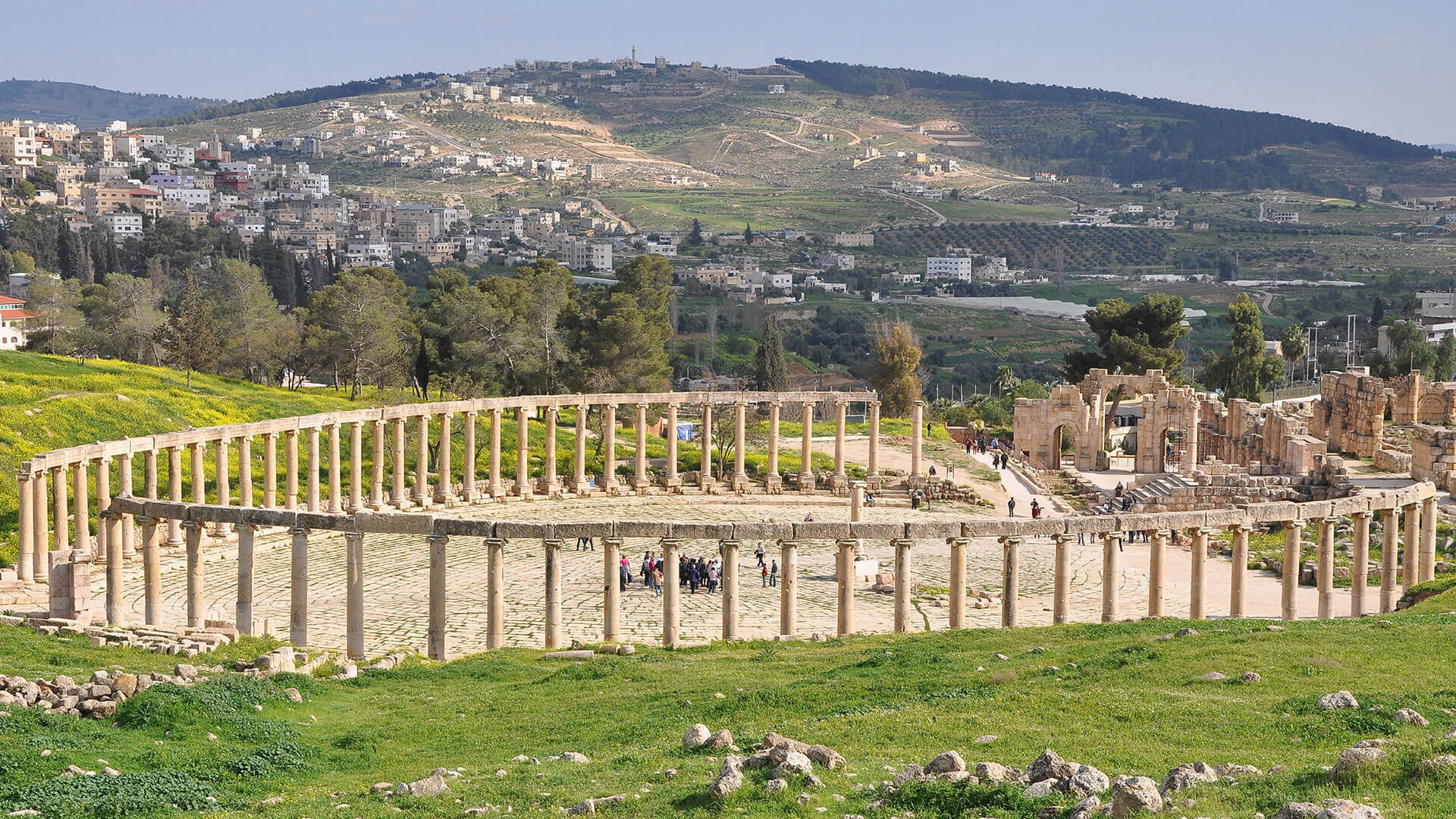
5. Jerash: Renowned for the remarkably preserved ruins of the ancient Roman city of Gerasa, showcasing impressive temples and theaters.
6. Mafraq: A gateway to several important archaeological sites and a starting point for exploring the vast desert landscapes.
7. Balqa: Known for its agricultural significance and beautiful natural scenery, including the scenic Wadi Al-Seer.
8. Madaba: The "City of Mosaics," famous for the ancient mosaic map of the Holy Land and several historic churches.
9. Karak: Boasting the impressive Karak Castle, an ancient Crusader fortress with captivating views of the surrounding area.
10. Aqaba: Jordan's only coastal city, with pristine beaches and a vibrant underwater world, perfect for diving and snorkeling.
Best time to visit Jordan
The best time to visit Jordan is during spring (March to May), the peak season, when the maximum high temperature is around 20 degrees Celsius. Spring showcases the beauty of Jordan's desert landscape, with added allure from occasional rainfall in March. It's an ideal time to explore sites like Petra and Amman before the scorching summer months. The shoulder season in autumn (mid-September to mid-November) is also pleasant for sightseeing. Summer (June to August) can be extremely hot, so consider visiting in early December for a less crowded experience. Aqaba offers a pleasant climate year-round for seaside exploration.
Experiences you should not miss in Jordan
1. Floating in the Dead Sea
Jordan trips would be incomplete without immersing yourself in the extraordinary and rejuvenating experience of the Dead Sea. Nestled at the lowest point on Earth, the Dead Sea is a truly unique natural wonder that attracts travelers from all corners of the globe. The high concentration of minerals in its salt water and mud is renowned for its therapeutic and healing properties, making it a sought-after destination for wellness enthusiasts and those seeking relaxation.
The Dead Sea offers an array of indulgent experiences, and one of the highlights is treating yourself to a nutrient-rich mud bath. The mineral-infused mud is believed to have numerous benefits for the skin and body, leaving you feeling refreshed and revitalized.
One of the most enchanting aspects of visiting the Dead Sea is the sensation of floating effortlessly on the water's surface. Due to the sea's remarkably high salt concentration, the buoyancy it creates is unlike anything you'll encounter elsewhere. As you lay back and let the water support you, you'll feel weightless, almost like you're defying gravity.
2. Lose yourself in Petra
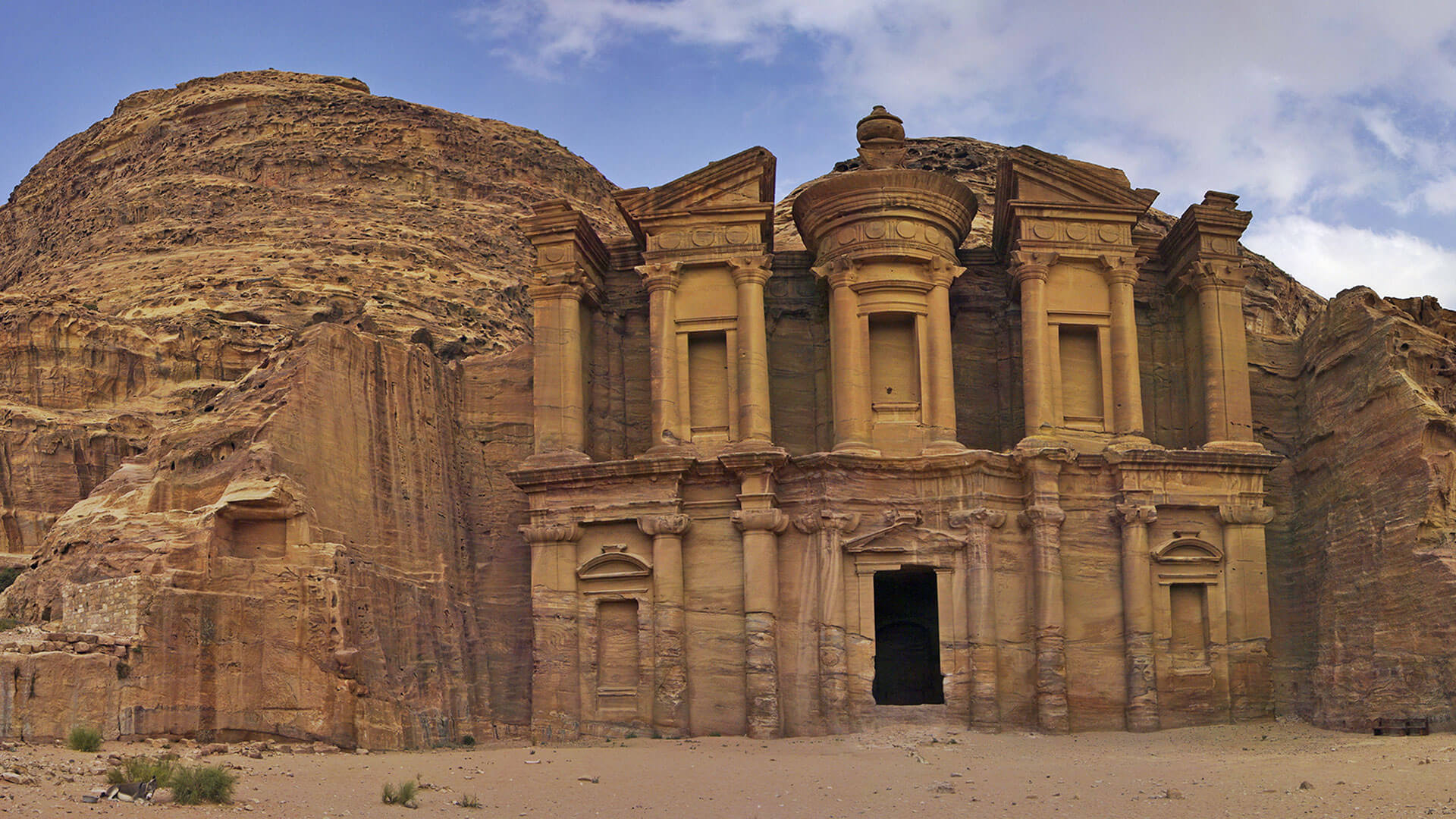
No matter the duration of your stay in Jordan, a visit to the UNESCO-listed Petra is an absolute must. This awe-inspiring "Rose Red City" derives its name from the captivating pink stone and sand that adorns the site, sprawling over a vast area of 264 sq km (102 sq miles). Marvel at the incredible handiwork and delve into the rich history of the ancient Nabatean culture as you explore this remarkable wonder.
Depending on your interests, available time, and physical abilities, Petra offers a range of adventures to suit every traveler. For those with limited time, the well-trodden path leads through the Siq, a narrow canyon, and culminates in the breathtaking sight of the Treasury facade. You might recognize this iconic carved-stone setting from its appearance in the renowned 1989 movie "Indiana Jones and the Last Crusade."
For those fortunate enough to have multiple days at their disposal, booking a guided tour is highly recommended. These Petra tours go beyond the typical tourist spots, offering a host of engaging experiences such as storytelling, guided hikes, savoring traditional Arabic coffee, and indulging in delightful local meals.
3. Witness the beauty of Wadi Rum
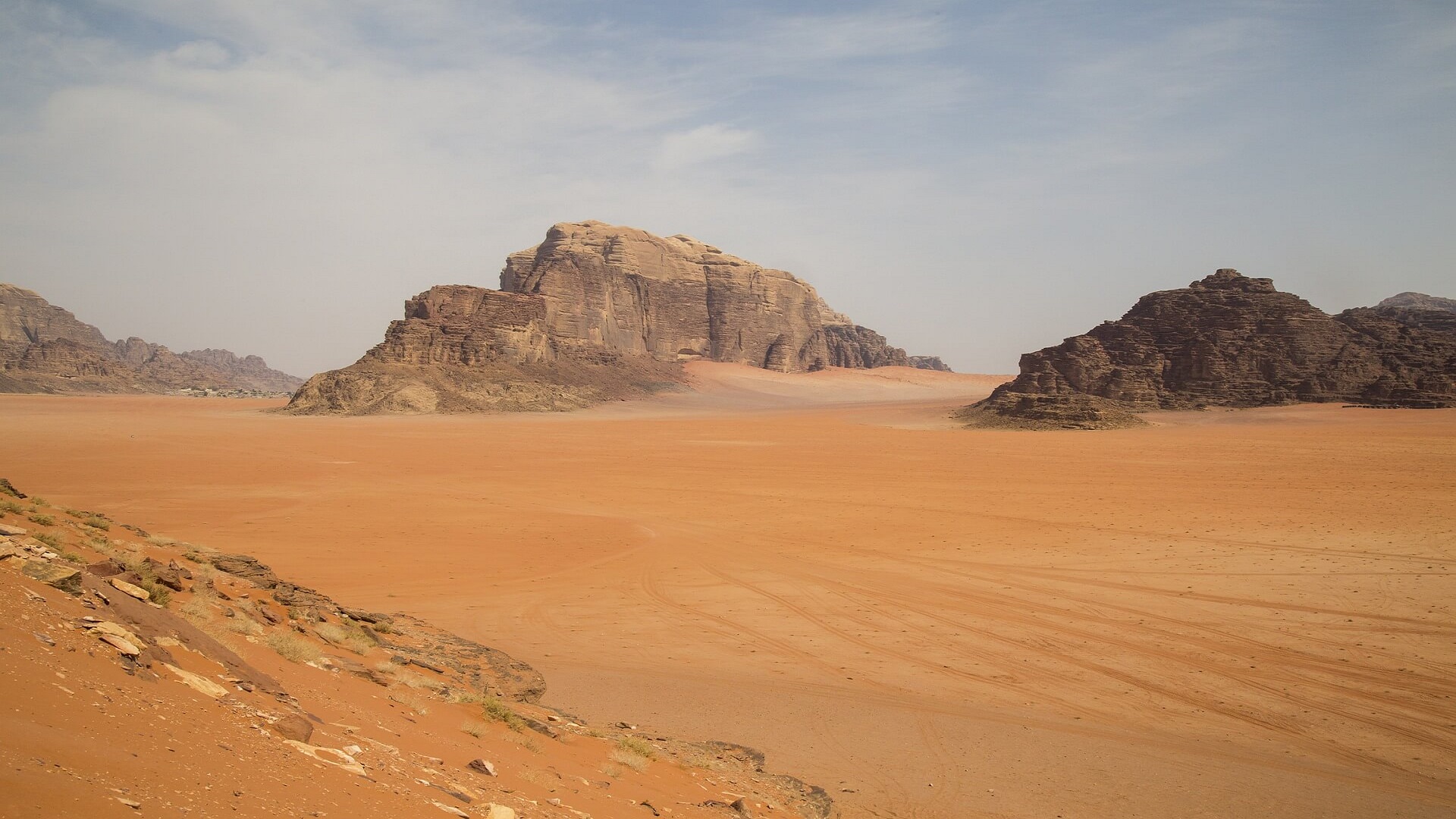
Discovering the Mars-like landscapes of Wadi Rum requires no spacecraft; instead, you can embark on various modes of transport, from foot and camel to 4WD and even hot-air balloons. This protected area captivates with rugged mountains and elegant natural arches, set amidst a breathtaking sea of rust-colored sand, rendering it one of Jordan's most photogenic and stunning locations – a true wonder of the world.
Many travelers come to Wadi Rum in search of serenity and the tranquility of the desert's vast silence. However, the popularity of this mesmerizing destination has grown, making it necessary to venture farther away from the main sites and camps to find genuine desert solitude.
For those seeking an insightful Bedouin encounter, you can spend a day with a local guide, hiking through the captivating landscape, participating in cooking sessions, and learning the ancient art of tent-building. Also, don't forget to sleep under the sky full of stars!
4. Visit the Amman Citadel
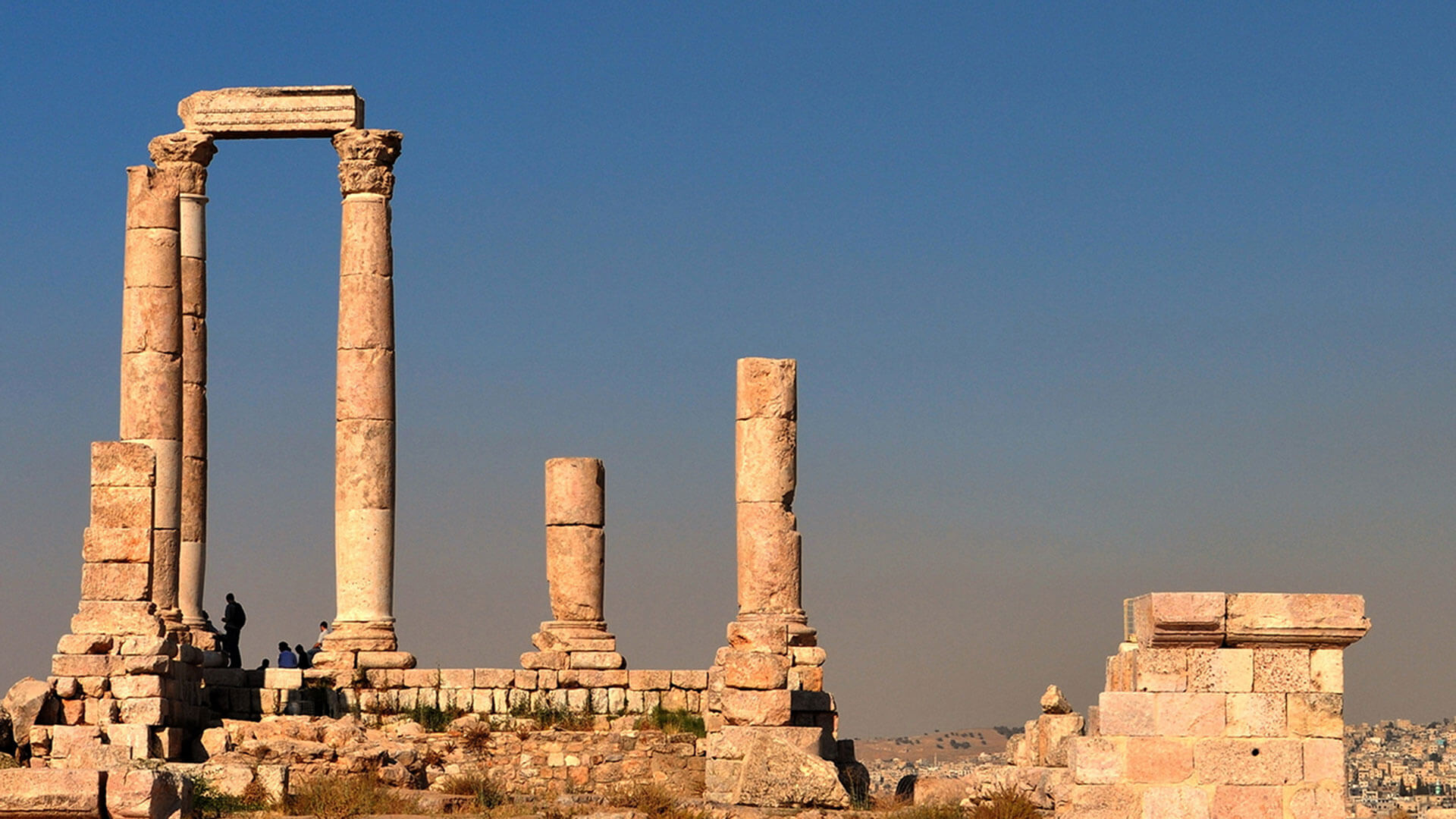
The Amman Citadel, situated at the core of Jordan's capital, stands as a testament to the resilience of history. Unearthing pottery and artifacts from the Bronze Age, this ancient site's true significance predominantly dates back to after 1200 BC.
Perched atop the highest hill, the Amman Citadel houses a myriad of structures representing various periods, including the Roman, Byzantine, and Umayyad eras. Among these architectural marvels, the most striking is the awe-inspiring Temple of Hercules. Nearby, a striking white, stone hand of Hercules remains as the sole remnant of his colossal 40-foot statue.
For travelers seeking a profound encounter with Jordan's historical heritage, Jordan travel packages often include a visit to the Amman Citadel. Exploring this monumental site offers a captivating journey through time, providing insights into the civilizations that once thrived in this remarkable city.
5. Explore Wadi Mujib
Fondly referred to as the “Grand Canyon of Jordan,” Wadi Mujib is not only a breathtaking natural wonder but also holds historical significance as the presumed location of Arnon Valley, a historical boundary that once divided the Amorites and the Moabites.
The river coursing through the canyon eventually flows into the Dead Sea, presenting visitors with a plethora of outdoor adventures to relish. Among the diverse array of activities, the most popular is embarking on the Siq Trail hike. This exhilarating 2.5-hour trek, while challenging, rewards hikers with unforgettable experiences. Navigating through the Siq Trail, you'll be guided by experts who lead you through boulders, across the river, and past enchanting waterfalls, culminating in an extraordinary journey through the heart of Wadi Mujib's captivating landscape.
For those planning tours to Jordan, Wadi Mujib is undoubtedly a destination that should not be overlooked. Including this majestic canyon in your travel package allows you to immerse yourself in the beauty of nature and delve into the historical significance of the region.
Things to know before traveling to Jordan
- Visa Requirements: Check the visa requirements for your country before traveling to Jordan. Some nationalities may need to obtain a visa in advance, while others can obtain a visa on arrival.
- Cultural Sensitivity: Jordan is a predominantly Muslim country with strong cultural traditions. It's essential to dress modestly, especially when visiting religious sites. Cover your shoulders and knees, and remove your shoes before entering mosques or private homes.
- Language: Arabic is the official language of Jordan, but English is widely spoken, especially in tourist areas and major cities.
- Currency: The local currency is the Jordanian Dinar (JOD). While credit cards are accepted in most hotels, restaurants, and shops, it's a good idea to carry some cash for small purchases and in remote areas.
- Safety: Jordan is generally considered a safe country for tourists, but it's always wise to stay informed about the current situation and any travel advisories before your trip.
- Weather: Jordan experiences a diverse climate, from hot summers to cold winters, depending on the region. Plan your visit accordingly and pack suitable clothing.
- Respect Local Customs: Be respectful of local customs and traditions, such as avoiding public displays of affection and refraining from taking photographs of people without their permission.
- Drinking Water: It's advisable to drink bottled or filtered water to avoid any potential stomach issues.
- Bargaining: Bargaining is a common practice in local markets and souks. Don't be afraid to negotiate the price, but do so politely and with respect.
- Tipping: Tipping is customary in Jordan, especially in restaurants and for service providers like guides and drivers. Check if a service charge is included in your bill before adding a tip.
- Photocopies of Documents: Carry photocopies of your passport, visa, and other important documents in case of loss or theft. Keep the originals in a safe place.
Why choose Acqua?
Acqua offers access to local expertise through carefully selected tour operators who possess excellent language skills, destination knowledge, and buying power. Customize your trip to Bhutan by choosing accommodation, transportation, activities, and pace. Directly booking with local operators ensures cost efficiency and supports local economies. Acqua partners with established operators for favorable rates, providing peace of mind with guarantees and insurance coverage. By choosing Acqua, you support responsible travel and contribute to community projects.
Tour Reviews