

- Home
- Destination
- Vietnam
Vietnam
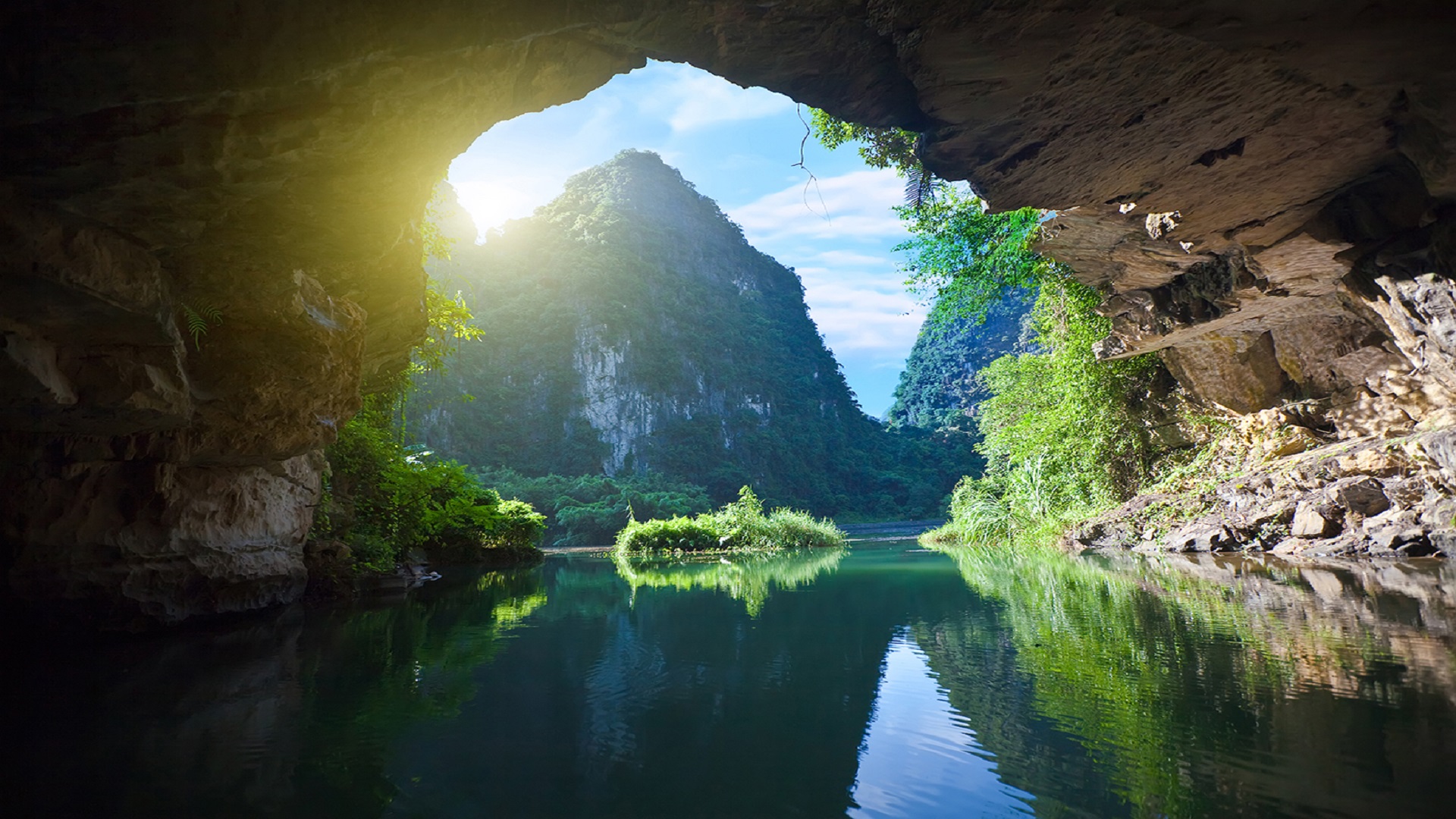
Essential Vietnam And Cambodia
8 Days | From $649
Vietnam | Cambodia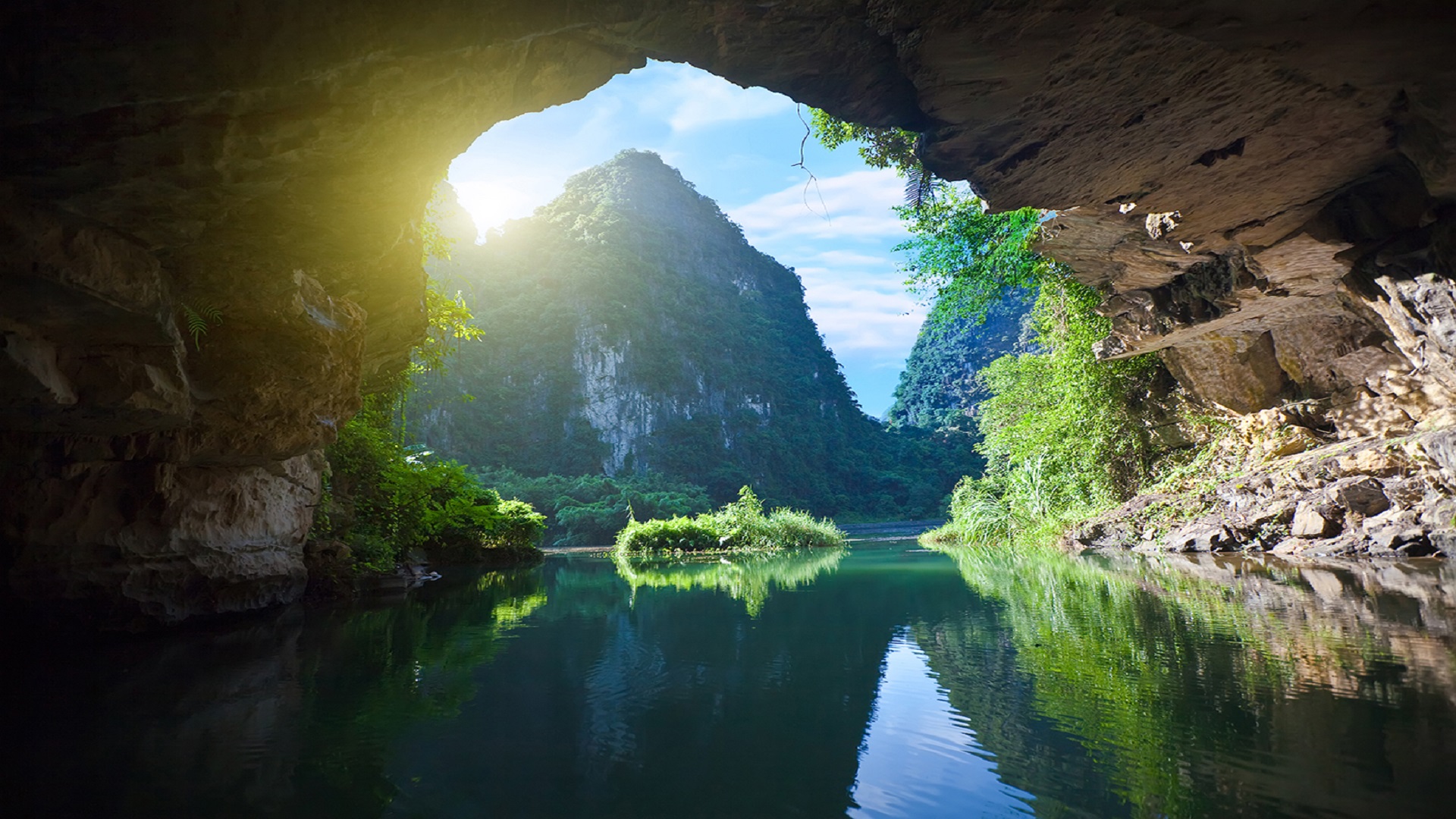
Treasures of Vietnam & Cambodia
14 Days | From $1349
Vietnam | Cambodia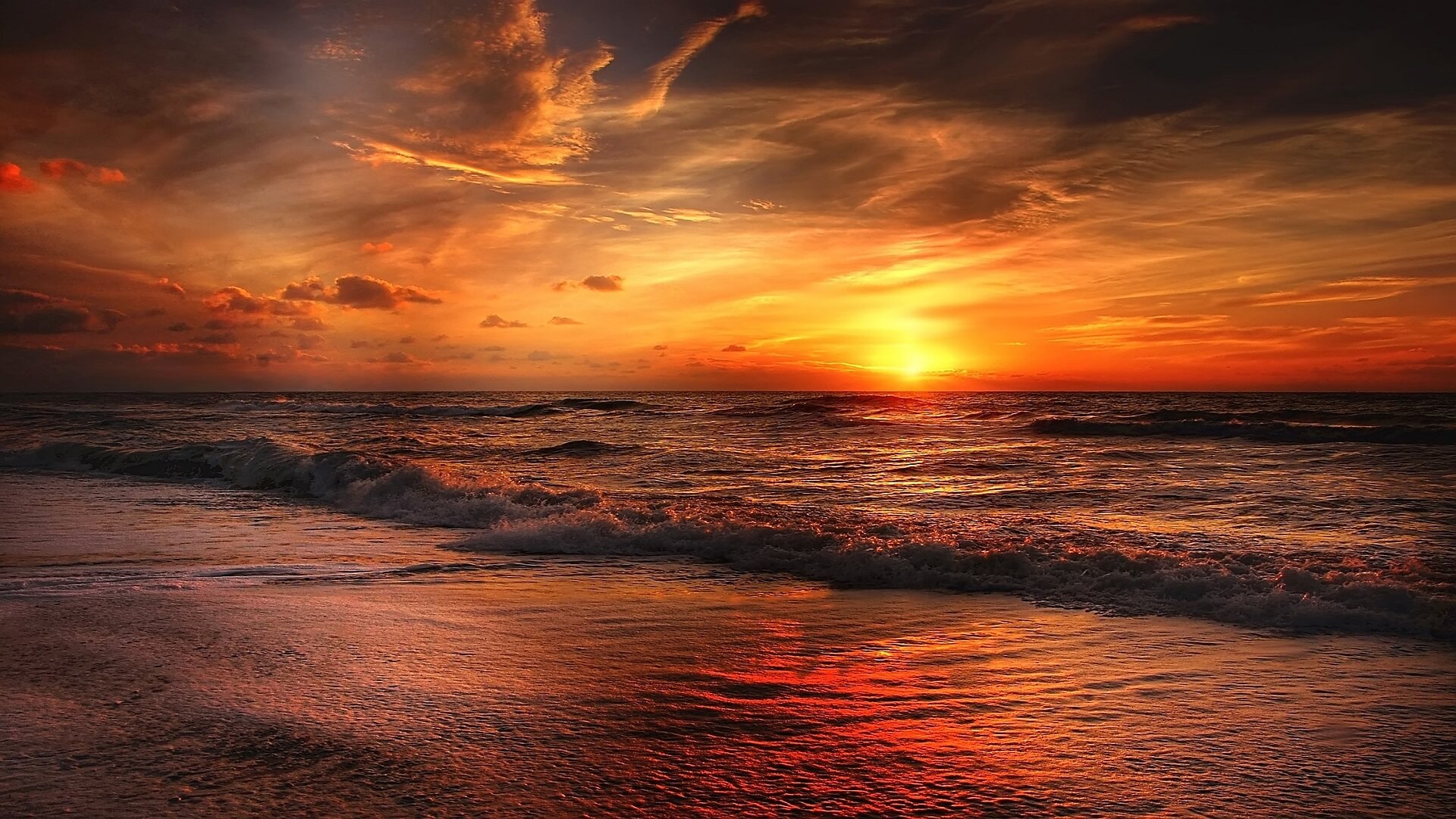
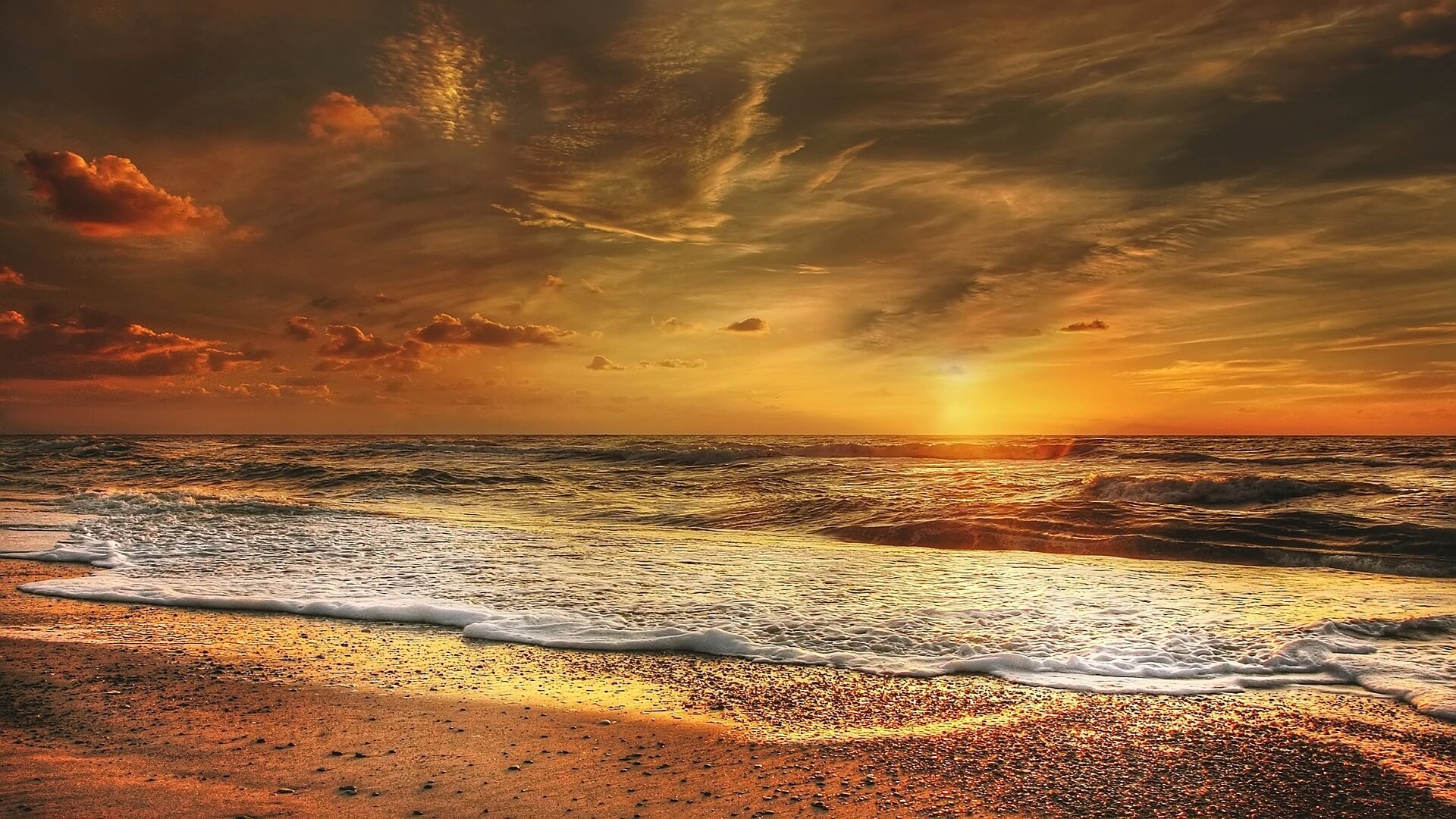
Vietnam Beach Escape and Siem Reap
11 Days | From $899
Vietnam | Cambodia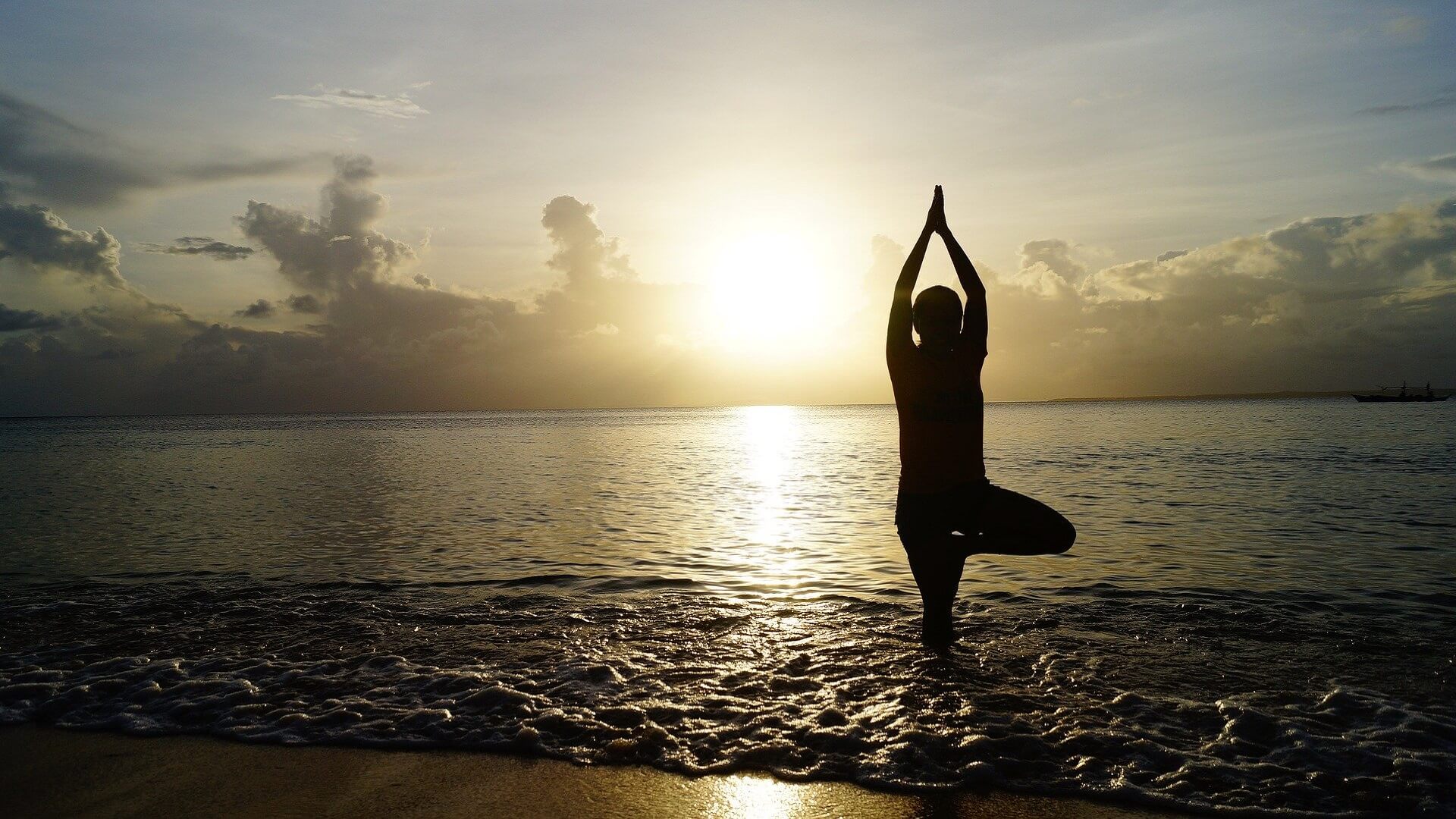
Vietnam and Cambodia Yoga Tour
11 Days | From $1699
Vietnam | Cambodia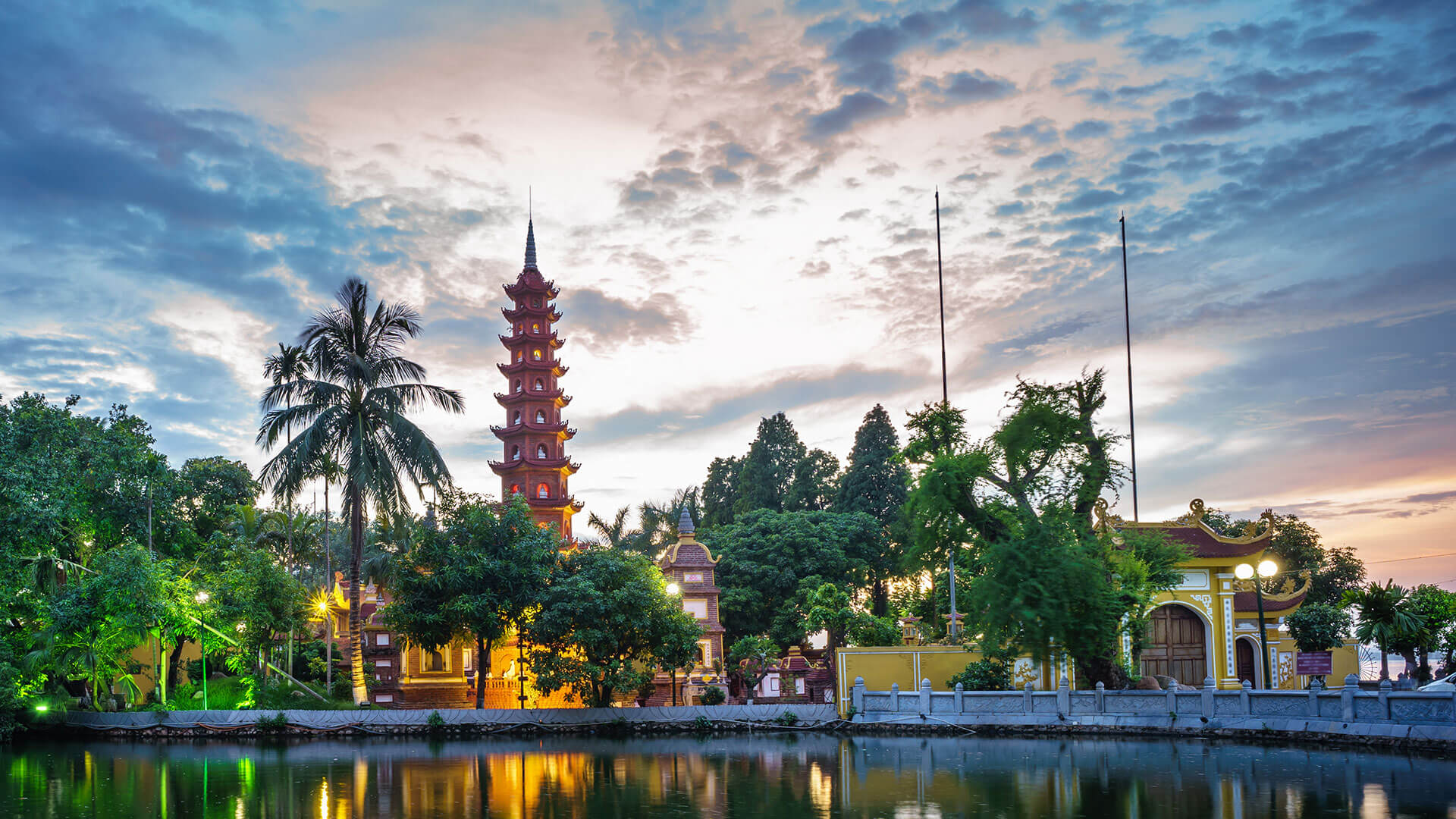
Best Of Vietnam
10 Days | From $799
Vietnam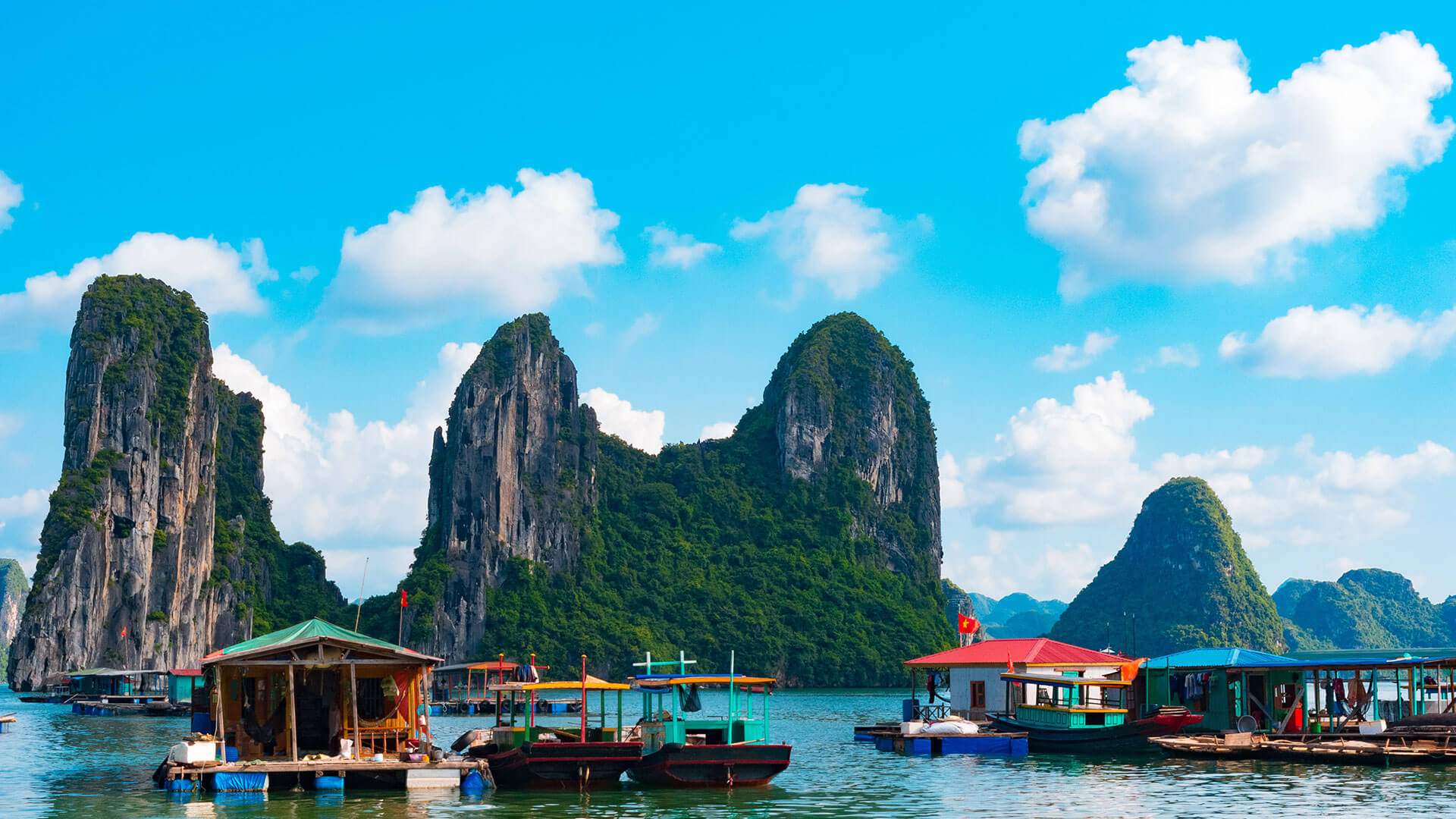
Best Of Vietnam And Cambodia
12 Days | From $1149
Vietnam | CambodiaTop destinations to visit in Vietnam
1. Northern Vietnam: This region is known for its stunning natural landscapes, including the iconic Ha Long Bay, Sapa's terraced rice fields, and the historic city of Hanoi, Vietnam's capital.
2. Central Vietnam: This region boasts beautiful beaches, ancient towns like Hoi An (a UNESCO World Heritage Site), and the imperial city of Hue with its rich history.
3. Southern Vietnam: The southern region is famous for its bustling cities like Ho Chi Minh City (formerly Saigon), the lush Mekong Delta, and the historical Cu Chi Tunnels.
4. Central Highlands: This region offers a unique experience with its rugged terrain, ethnic minority villages, and coffee plantations.
5. Mekong Delta: Known as Vietnam's "rice bowl," the Mekong Delta is a lush and fertile area with an intricate network of rivers and canals, making it a fascinating destination for travelers.
Best time to visit Vietnam
The best time to visit Vietnam largely depends on the specific regions you plan to explore and your preferences for weather and activities. Vietnam's climate varies from north to south, so different regions experience distinct weather patterns throughout the year. Here's a general overview of the best times to visit different parts of Vietnam:
1. Northern Vietnam (Hanoi, Sapa, Ha Long Bay):
Best Time: September to November and March to April.
Description: These months offer pleasant temperatures and lower humidity. Spring (March to April) and autumn (September to November) are particularly beautiful, with clear skies and blooming flowers.
2. Central Vietnam (Hoi An, Da Nang, Hue):
Best Time: February to April and September to October.
Description: These months provide milder temperatures and less rainfall, making it ideal for exploring historic sites, beaches, and the countryside.
3. Southern Vietnam (Ho Chi Minh City, Mekong Delta, Phu Quoc):
Best Time: November to April.
Description: The dry season from November to April offers a more comfortable climate with less rainfall, making it great for city sightseeing and beach activities.
Experiences you should not miss in Vietnam
1. Witness the beauty of Halong Bay
Halong Bay, located about 130 km (80 miles) east of Hanoi, Vietnam, is renowned for its stunning emerald-hued waters, majestic limestone karsts, fascinating caves, and picturesque islands. This destination offers a paradise for adventure seekers with activities like scuba diving, kayaking, hiking, and rock climbing in Cat Ba National Park. For a relaxing experience with scenic views, a wide range of Halong Bay cruises are available, from basic to luxurious options. With thousands of islands offering diverse landscapes, from uninhabited islets with free-roaming wildlife to larger islands boasting beautiful beaches, boat cruises provide the perfect way to immerse in Halong Bay's natural wonders. Boat tours vary from day trips to multi-night journeys, with a variety of vessels, including traditional Chinese junks and luxury cruisers. Most cruises can be arranged from Hanoi or ports like Haiphong, Halong City, and Cai Rong. For the best experience, plan your visit between March and June when the weather is most favorable. From June to September, you might find great deals, but keep an eye on the weather forecast, as monsoons can affect your trip.
2. Sail on the Mekong Data
Having journeyed over 4,000km from the Tibetan Himalayas, the Mekong River reaches Vietnam, where it adopts a more leisurely pace. Embraced by islands, rice paddies, and stilted villages, life here seems to have stood still for centuries as if the river itself wishes to unwind and savor the scenery.
If you hitch a ride on a cargo boat, you can truly immerse in this laid-back ambiance. Find a shaded spot to hang your hammock and admire the distant riverbanks while the boat, laden with fruit and rice sacks, navigates the syrupy brown waters.
Alternatively, you can opt for one of the many commercial cruises that traverse parts of the river. The Cai Be to Can Tho cruise offers a remarkable night on the water. As you journey along the Mang Thit River, connecting the Tien Giang and Bassac systems, the channel narrows, allowing glimpses into the rustic stilted houses perched along the riverbank.
3. Explore Ho Chi Minh City
Formerly known as Saigon, Ho Chi Minh City is Vietnam's largest city and was once the capital of the Republic of Vietnam. It retains its former name when describing the vibrant heart of the city.
With a wide range of attractions like temples, museums, parks, and shopping, Ho Chi Minh City offers something for every interest. For stunning views, visit the Saigon Skydeck for a mesmerizing 360-degree panorama, especially enchanting at night with city lights below.
History buffs must explore the intriguing Cu Chi tunnels, significant headquarters for military operations during the Vietnam War.
The Reunification Palace, also known as the Independence Palace, holds historical importance as it witnessed Saigon's fall when a tank broke through its gates; a replica of this tank is displayed on the palace grounds.
To delve deeper into the war's history, visit the War Remnants Museum and the Museum of Vietnamese History, providing insightful and thought-provoking experiences.
4. Cycle in Hue
Positioned midway between Hanoi and Ho Chi Minh City, Hue holds historical significance as the divide between the North and the South during the Vietnam War. Along the Perfume River, the city boasts significant historical sites of great importance in Vietnamese history.
Cycling is an excellent way to explore Hue. Start in the morning's coolness and head three kilometers outside the city to the Tiger Fighting arena, reminiscent of Vietnam's Colosseum, where elephants and tigers once fought to honor the monarchy's strength. Visit Tu Duc Tomb and enjoy panoramic views of the Perfume River from Vong Canh Hill.
Descend from Vong Canh Hill and discover the serene Tu Hieu Pagoda nestled in a pine forest. Don't miss the tomb of Minh Mang, the second emperor of the Nguyen dynasty, before returning to the city.
At the walled fortress of the Imperial Citadel, choose to leisurely cycle through the UNESCO World Heritage Site, akin to Vietnam's Forbidden City, or relax with a refreshing drink by the Perfume River.
5. Discover Hoi An
Hoi An, with its laidback and charismatic vibe, is a highlight of any Vietnam itinerary. South of Da Nang, you can easily reach this town by cycling to excellent warm-water beaches along the central coast. The captivating old town boasts colorful buildings adorned with bright lanterns.
Stroll through the narrow, winding lanes to discover beautiful historic buildings, Chinese temples, and wooden-fronted shops, perfect for shopping therapy. The bustling night market and lantern-lit streets are ideal for shopping and people-watching.
Enjoy a boat ride along the Thu Bon River or take a cooking class to explore the secrets of Vietnamese cuisine. Indulge yourself with a spa treat and get a handmade dress or tailored suit from one of the illustrious tailors.
Don't miss the exquisite Japanese Covered Bridge and the glazed-roofed Chinese merchant houses, dating back hundreds of years and housing a quarter of the town's population. Hoi An offers an abundance of delightful experiences to fill your afternoons.
Things to know before traveling to Vietnam
1. Visa Requirements: Check the visa requirements for your nationality before traveling to Vietnam. Some countries are eligible for visa-free entry or visa on arrival, while others may require a visa in advance.
2. Currency: The currency used in Vietnam is the Vietnamese Dong (VND). It's advisable to carry some local currency, especially in rural areas, as credit cards may not be widely accepted.
3. Weather: Vietnam has diverse climates throughout the country, ranging from tropical in the south to temperate in the north. Be prepared for varying weather conditions depending on the region and time of year.
4. Language: The official language is Vietnamese. While English is spoken in tourist areas and major cities, knowing a few basic Vietnamese phrases can be helpful in remote areas.
5. Culture and Etiquette: Vietnamese culture places emphasis on respect and politeness. When visiting temples or pagodas, dress modestly and remove your shoes. Avoid public displays of affection, especially in rural areas.
6. Health Precautions: Check with your healthcare provider for recommended vaccinations before traveling to Vietnam. It's also essential to drink bottled water and be cautious with street food to avoid foodborne illnesses.
7. Traffic and Transportation: Traffic in Vietnam can be chaotic, especially in major cities like Hanoi and Ho Chi Minh City. Be cautious when crossing roads, and consider using reputable transportation services.
8. Bargaining: Bargaining is common in markets and small shops, but not in larger stores or supermarkets. Be polite and negotiate with a smile to get the best price.
9. Tipping: Tipping is not a traditional practice in Vietnam, but it's becoming more common in tourist areas. Leaving a small tip for exceptional service is appreciated.
10. Scams: Like in any tourist destination, be aware of common scams, such as overcharging for goods, fake tour operators, or pickpocketing in crowded places. Stay vigilant and use reputable services.
Why choose Acqua?
Acqua offers access to local expertise through carefully selected tour operators who possess excellent language skills, destination knowledge, and buying power. Customize your trip to Bhutan by choosing accommodation, transportation, activities, and pace. Directly booking with local operators ensures cost efficiency and supports local economies. Acqua partners with established operators for favorable rates, providing peace of mind with guarantees and insurance coverage. By choosing Acqua, you support responsible travel and contribute to community projects.
Tour Reviews